Join a live webinar!
Explore the strategies, stories, and data
shaping the future of family engagement.
Looks like there are no upcoming open demos. Check back soon!
In the meantime, explore our upcoming webinars, below.
Ready to explore how CampusESP could work for your campus?
Join our next live, open demo for a live look at how we help you engage current families to meet your team’s goals. →
Looking for live and on-demand CampusESP training?
Check out the CampusESP Academy! →
Upcoming webinars
Can't make one of our webinars live, but are still interested in the data being shared? Register anyway!
All registrants receive the recording of the webinar and a copy of the deck shared!
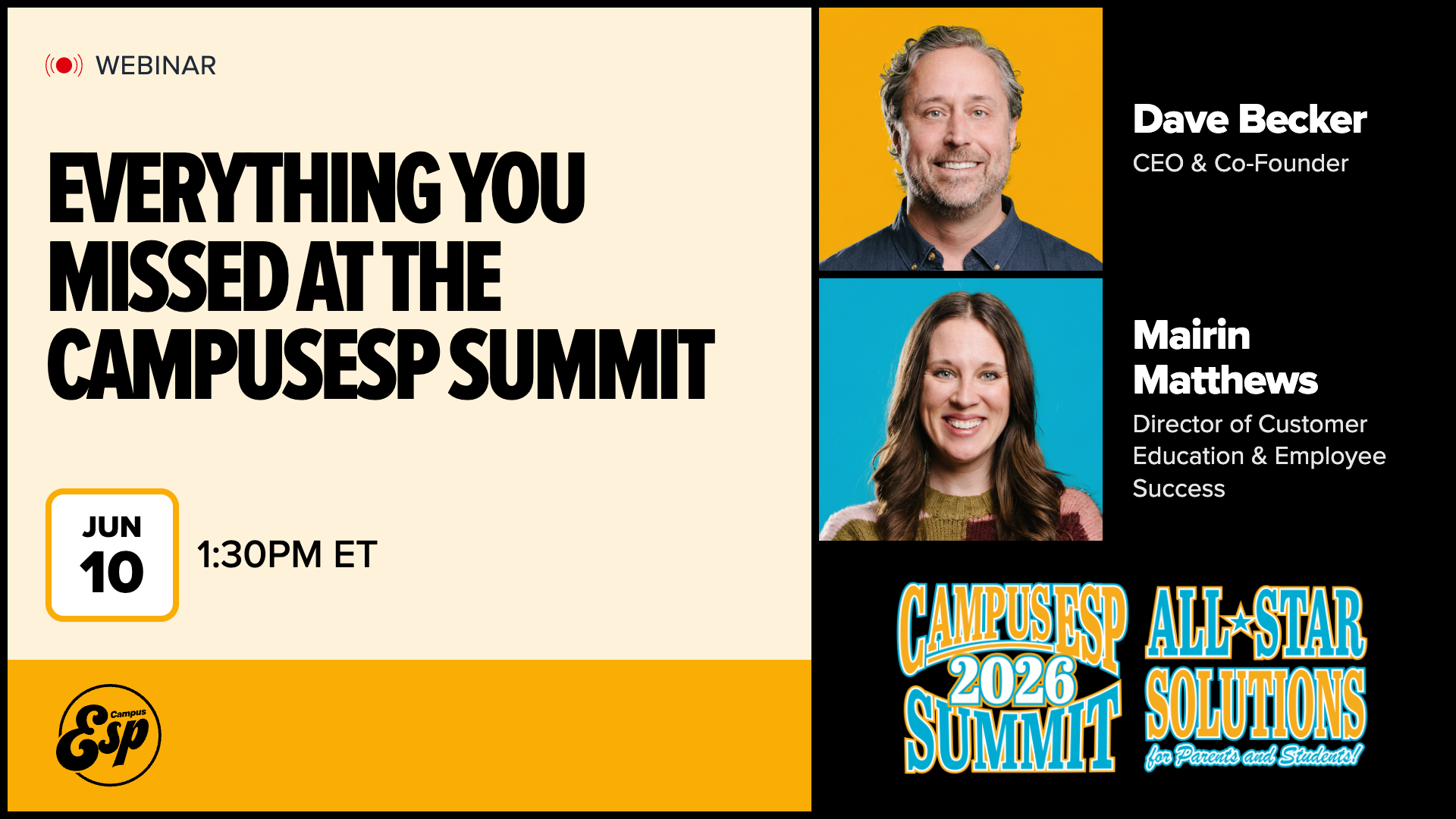
Couldn’t make it to the 2026 CampusESP Summit? Don’t worry — we got you!
Join us for a lightning-fast recap of the key themes, strategies, and takeaways from this year’s event.
It’s perfect if you couldn’t attend ... or had such a good time you want to relive the day and get a refresh on what’s next in family engagement.
Save my seat!
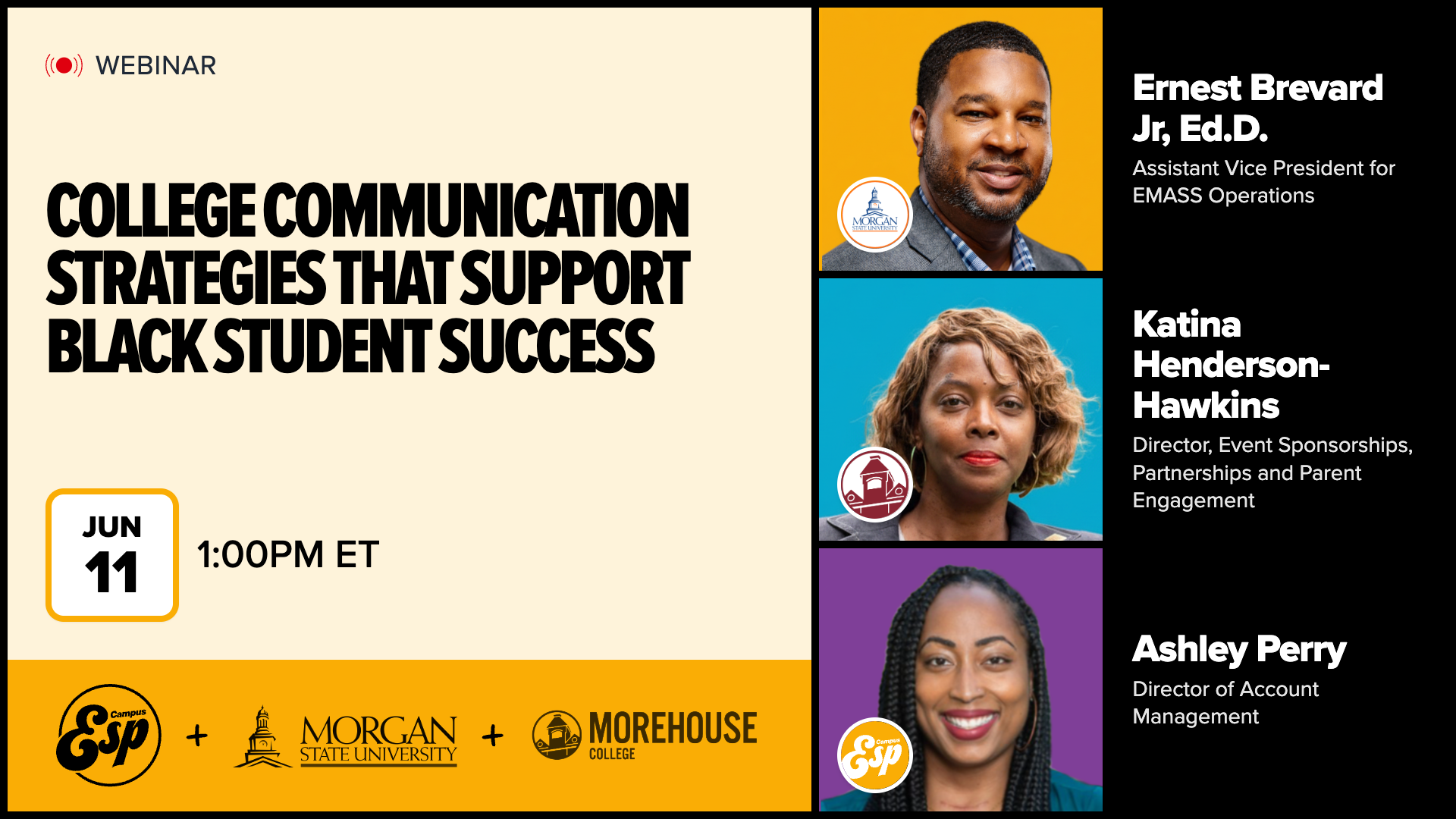
Behind every student is a network of people cheering them on, checking in, asking questions, and helping them navigate the college experience.
For Black families, that connection is especially strong. CampusESP’s 2026 College Family Survey found that 54% of Black families communicate with their students daily, and 60% prefer text messages from their student’s institution.
HBCU leaders from Morehouse College and Morgan State University will share how proactive family communication can strengthen the support system around Black students, build trust with families, and contribute to stronger retention outcomes.
Check out all our upcoming webinars!
Can't make one of our webinars live, but are still interested in the data being shared? Register anyway!
All registrants receive the recording of the webinar and a copy of the deck shared!
Couldn’t make it to the 2026 CampusESP Summit? Don’t worry — we got you!
Join us for a lightning-fast recap of the key themes, strategies, and takeaways from this year’s event.
It’s perfect if you couldn’t attend ... or had such a good time you want to relive the day and get a refresh on what’s next in family engagement.
Save my seat!
Behind every student is a network of people cheering them on, checking in, asking questions, and helping them navigate the college experience.
For Black families, that connection is especially strong. CampusESP’s 2026 College Family Survey found that 54% of Black families communicate with their students daily, and 60% prefer text messages from their student’s institution.
HBCU leaders from Morehouse College and Morgan State University will share how proactive family communication can strengthen the support system around Black students, build trust with families, and contribute to stronger retention outcomes.
Recorded Webinars
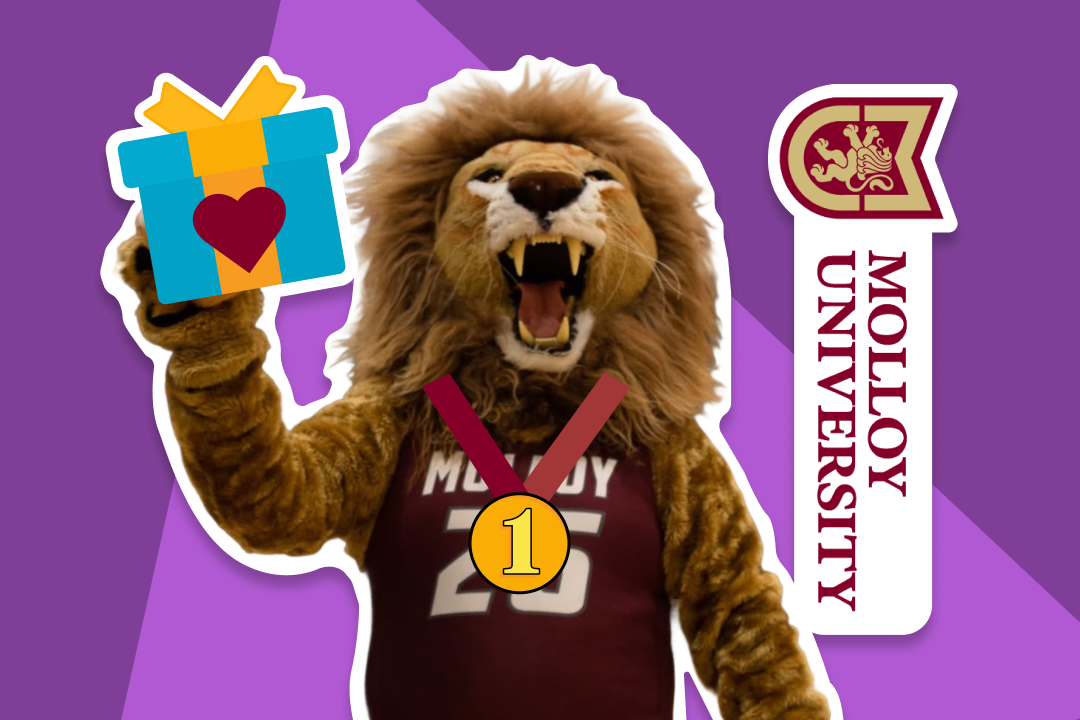
Molloy University built a culture of philanthropy by helping families see their place in the mission. That approach led to the largest Giving Tuesday in Molloy’s history, raising $40,000+ and a six-figure Giving Day that continues to grow
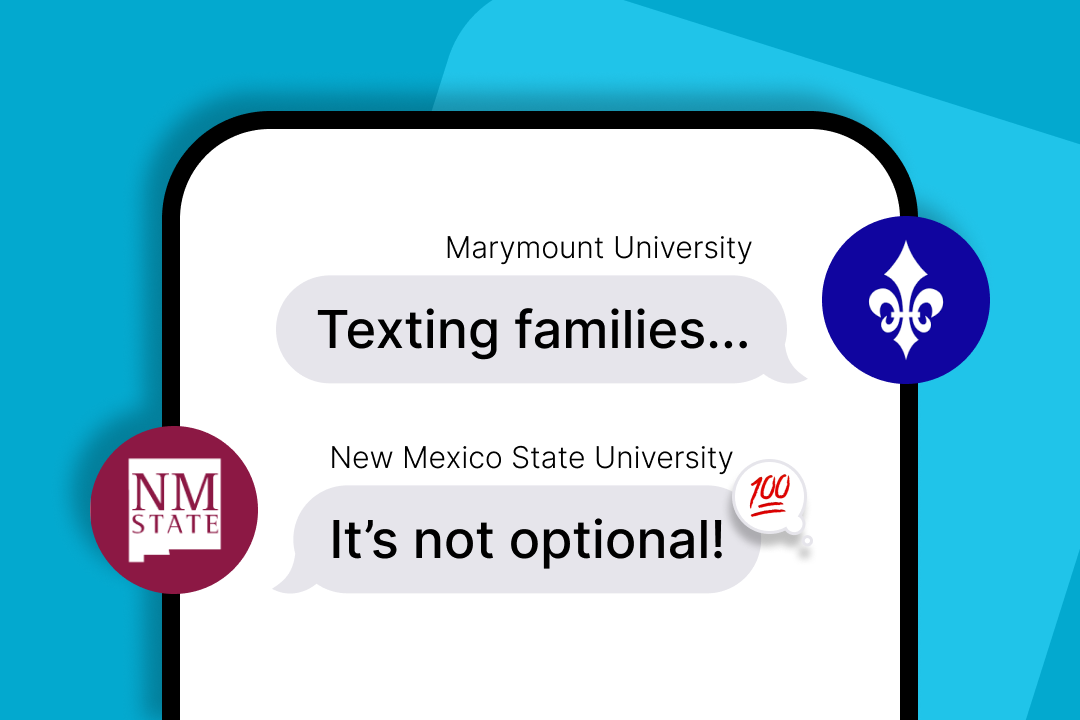
Text messages drive up to 3x higher engagement than email, yet most colleges still underuse them. Learn how Marymount University and New Mexico State University are turning everyday communications into timely, action-driving texts.
Orientation is a high-impact moment for families, but it can also be overwhelming. FSU turned three days of information into a lasting resource with their New Nole Orientation Hub, extending support well beyond move-in.
DigiPen shares how engaging families during the admit-to-deposit window led to students with a connected parent enrolling at rates 16% higher than the institutional average.
When families lack clarity around financial aid and cost, enrollment decisions stall. Learn how UNLV expanding their family communications around cost and ROI to drive yield, all while reducing call volume to financial aid and cashiering offices by 50%.
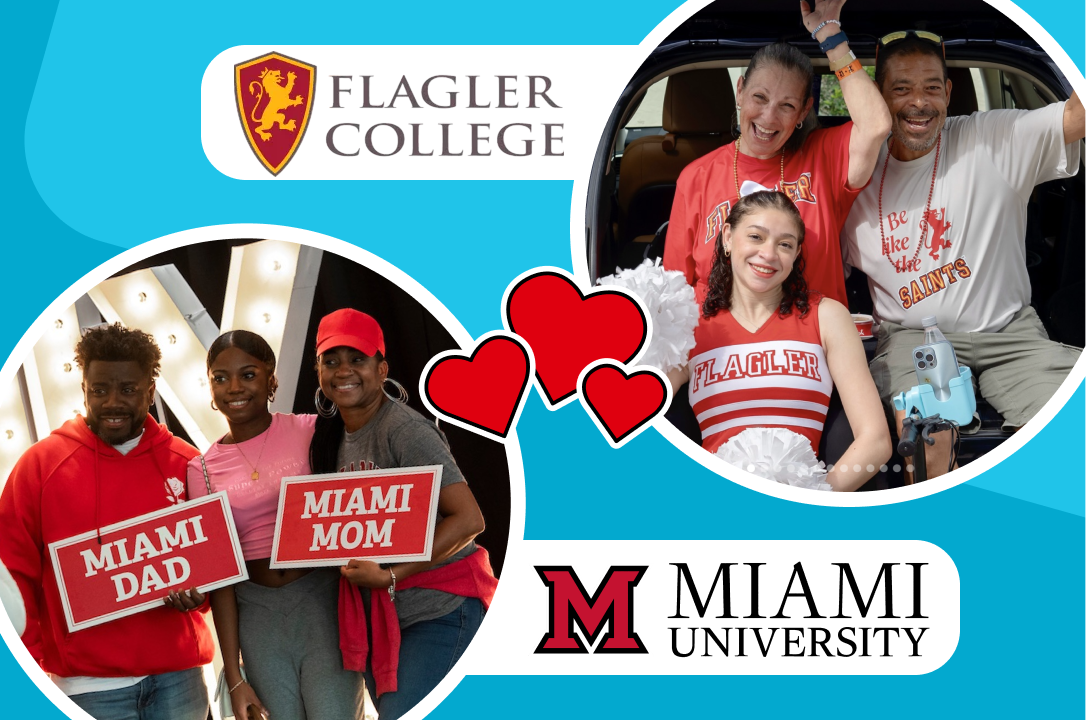
When families understand the value of the student experience and know they’re partners in that progress, philanthropy becomes a natural next step. See how Flagler and Miami used this approach to grow giving days by up to 30%!
Families are engaging in the college search earlier than ever. This guide shares research-backed insights and real-world examples from two institutions already seeing enrollment results through intentional family engagement, including increase in student yield by +12%!
Early communication sets the tone for first-gen success. See how Montclair State University and Southern Oregon University are making thoughtful, strategic shifts in communication that help first-gen support feel personal, accessible, and culturally aware.
AI talk is everywhere in higher ed. And yeah, it can sound like one more complicated, overwhelming thing on your plate. But here’s the good news: AI doesn’t have to be intimidating. In fact, it can actually make your life easier and your family engagement efforts stronger.
This year’s FAFSA is smoother but success depends on more than system updates. Collaboration and consistent communication are what help families feel confident, informed, and supported throughout one of higher education’s most stressful processes.
Families don’t care what office sends the email. And they shouldn’t have to. Every outreach from a college should feel like one voice: clear, consistent, and focused on student success.
The summer before college is filled with questions for both students and their parents. That’s why the transition to college isn’t just about preparing students; it’s about equipping families with the information and support they need to guide them through it.
Personalization can feel like an impossible task. You’re juggling shrinking teams, packed calendars, and a mile-long to-do list — do you really have time to tailor every message?
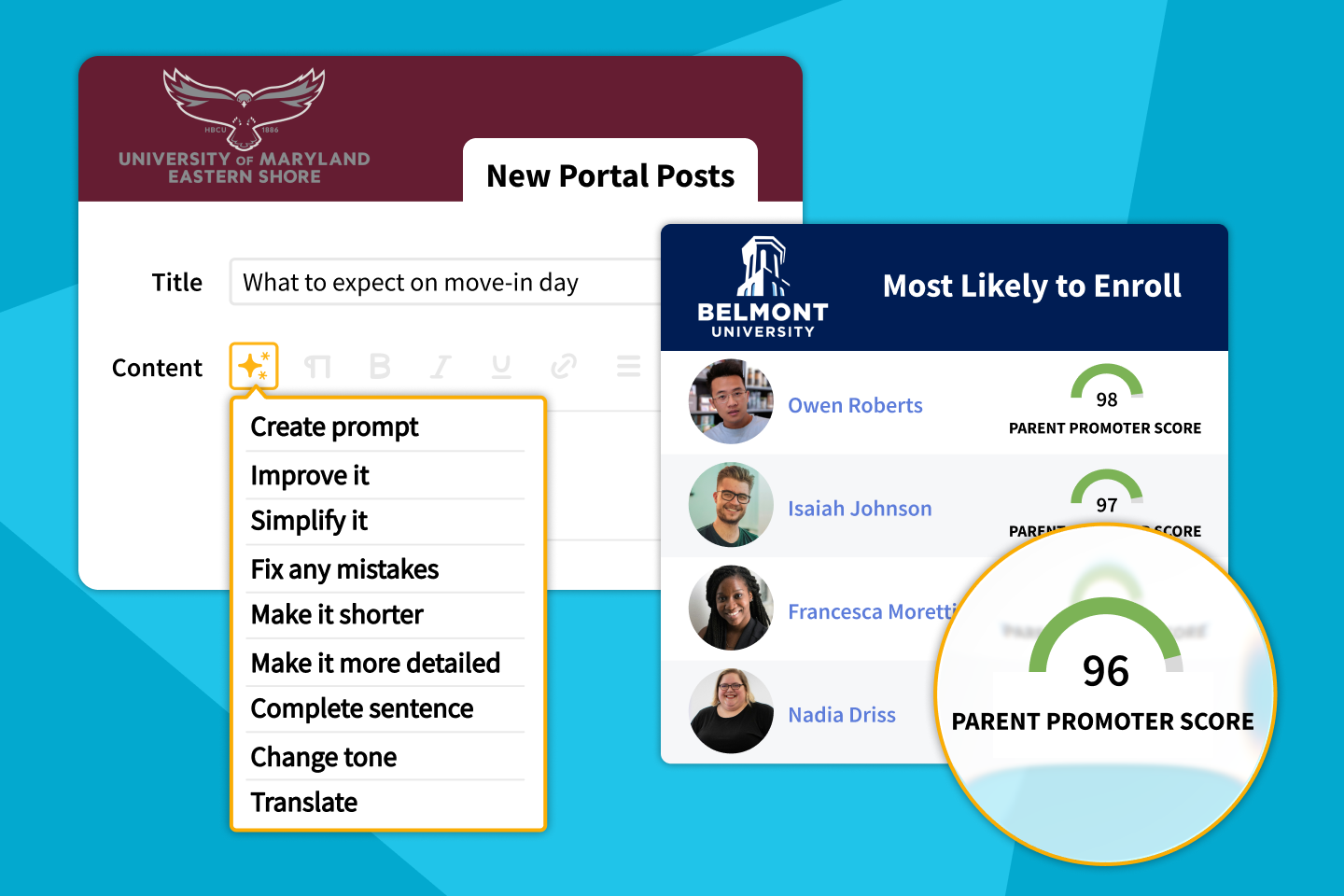
What makes CampusESP different? Why is parent engagement easier in CampusESP? Why not just build it in your CRM? We walk through the differences and benefits of a built-for-purpose family engagement platform with our friends from Belmont University and University of Maryland Eastern Shore. Learn the main differences between building parent engagement in your CRM and having us build it for you quicker, better ... and with less risk.
When it comes to turning "maybe" into "yes" in the enrollment process, engaging families is more important than ever. But how can already-saturated teams, facing growing enrollment concerns, focus on the right outreach that will drive the action needed?
Let’s face it — AI is everywhere. You’ve probably heard “AI is here to stay” more times than you can count (maybe even in your sleep). But here’s the thing: when it comes to family engagement in higher ed, AI is a game-changer.
You’re actively working on yielding students, but are you also working on yield their parents? Engaging parents now can help you recruit the entire family and grow your incoming class. Get 3 approaches you can still try to hit your goals.
One of the easiest ways to create more family content is also one of the smartest — partnering with other departments across campus. Learn how the pros at UNC Wilmington and K State created content teams, and how CampusESP helps you manage your new content engine.
Mental health continues to be a trending topic on campus and an area families need solid info on to support their students. The team at Georgia Tech takes us through their approach and programming.
Last spring, 140 colleges and universities in the U.S. saw demonstrations on their campus. While mostly peaceful, each caused disruption and confusion for administrators, faculty, students... and the families miles away desperate to understand what was happening. University of Maryland, UNC Chapel Hill, and University of Oregon joined us to share their experiences updating families, and their learnings as they anticipate additional activity this fall.
2025 admissions planning starts in 3… 2… 1… but where do you start? How do you make next year better? University of Mary Washington and Franciscan University of Steubenville help you get ahead with tips, tricks, and strategies from explaining financial aid to utilizing alumni connections.
First-generation families need and want regular communications — they request content at higher frequency and engage more actively. By engaging first-generation families, who in turn will actively advise and support their first-gen students, institutions can create a stronger cycle of education and success. The pros at SUNY Oneonta and University of Alabama share how they do it.
With financial aid delays leading to decision delays, it’s safe the say summer melt will matter this year more than ever. How are you keeping your admitted students — and their families — engaged, excited, and eager to enroll? Two partners who have seen it and done it — Utah State and New Mexico State — share their experience and advice.
In 30 minutes we share some key moments to engage, the topics that should resonate, and guidance on how to turn those ideas into real content that influences your enrollment outcomes. Create an editorial calendar live with us by watching the webinar recording, or read the highlights of how to build your own.
Hispanic enrollment at four-year institutions increased by 287% between 2000 and 2020! Read on for four best practices to engage Spanish-speaking families, based on advice from 3 HSIs doing this well: Northern Arizona University, Texas Woman’s University, and New Mexico State University.
FAFSA changes are coming! We sit down with the Department of Education to learn more about the Better FAFSA, the resources available for universities, and how to help your families with the new format this fall.
Kennesaw State University and College of Charleston joined us to share how they’ve helped first-year families have a strong start to the school year. Here are their four tips to guide families in those critical first several weeks and set them – and their students – up for success!
Pacific Lutheran University experienced a very successful enrollment cycle this year. Their Dean of Admission shared her strategies on how to engage families over the summer to increase visits, applications, and enrollment! Here are four easy ways to jumpstart your enrollment cycle.
Streamlining FERPA waiver management can lead to better campus outcomes such as improved student retention. Our article focuses on the top 3 reasons to move FERPA online, with insights from Texas State, University of Alabama at Birmingham, and Hanover College.
Learn how communicating with parents earlier increases engagement, yield, and retention – including open rates as high as 75%! Our partners from North Carolina A&T and Webster University share how they’ve developed a coordinated cross-departmental strategy to scale their family communication and improve experiences for their prospective and current families.
Recorded Webinars
Molloy University built a culture of philanthropy by helping families see their place in the mission. That approach led to the largest Giving Tuesday in Molloy’s history, raising $40,000+ and a six-figure Giving Day that continues to grow
Text messages drive up to 3x higher engagement than email, yet most colleges still underuse them. Learn how Marymount University and New Mexico State University are turning everyday communications into timely, action-driving texts.
Orientation is a high-impact moment for families, but it can also be overwhelming. FSU turned three days of information into a lasting resource with their New Nole Orientation Hub, extending support well beyond move-in.
DigiPen shares how engaging families during the admit-to-deposit window led to students with a connected parent enrolling at rates 16% higher than the institutional average.
When families lack clarity around financial aid and cost, enrollment decisions stall. Learn how UNLV expanding their family communications around cost and ROI to drive yield, all while reducing call volume to financial aid and cashiering offices by 50%.
When families understand the value of the student experience and know they’re partners in that progress, philanthropy becomes a natural next step. See how Flagler and Miami used this approach to grow giving days by up to 30%!
Families are engaging in the college search earlier than ever. This guide shares research-backed insights and real-world examples from two institutions already seeing enrollment results through intentional family engagement, including increase in student yield by +12%!
Early communication sets the tone for first-gen success. See how Montclair State University and Southern Oregon University are making thoughtful, strategic shifts in communication that help first-gen support feel personal, accessible, and culturally aware.
AI talk is everywhere in higher ed. And yeah, it can sound like one more complicated, overwhelming thing on your plate. But here’s the good news: AI doesn’t have to be intimidating. In fact, it can actually make your life easier and your family engagement efforts stronger.
This year’s FAFSA is smoother but success depends on more than system updates. Collaboration and consistent communication are what help families feel confident, informed, and supported throughout one of higher education’s most stressful processes.
Families don’t care what office sends the email. And they shouldn’t have to. Every outreach from a college should feel like one voice: clear, consistent, and focused on student success.
The summer before college is filled with questions for both students and their parents. That’s why the transition to college isn’t just about preparing students; it’s about equipping families with the information and support they need to guide them through it.
Personalization can feel like an impossible task. You’re juggling shrinking teams, packed calendars, and a mile-long to-do list — do you really have time to tailor every message?
What makes CampusESP different? Why is parent engagement easier in CampusESP? Why not just build it in your CRM? We walk through the differences and benefits of a built-for-purpose family engagement platform with our friends from Belmont University and University of Maryland Eastern Shore. Learn the main differences between building parent engagement in your CRM and having us build it for you quicker, better ... and with less risk.
When it comes to turning "maybe" into "yes" in the enrollment process, engaging families is more important than ever. But how can already-saturated teams, facing growing enrollment concerns, focus on the right outreach that will drive the action needed?
Let’s face it — AI is everywhere. You’ve probably heard “AI is here to stay” more times than you can count (maybe even in your sleep). But here’s the thing: when it comes to family engagement in higher ed, AI is a game-changer.
You’re actively working on yielding students, but are you also working on yield their parents? Engaging parents now can help you recruit the entire family and grow your incoming class. Get 3 approaches you can still try to hit your goals.
One of the easiest ways to create more family content is also one of the smartest — partnering with other departments across campus. Learn how the pros at UNC Wilmington and K State created content teams, and how CampusESP helps you manage your new content engine.
Mental health continues to be a trending topic on campus and an area families need solid info on to support their students. The team at Georgia Tech takes us through their approach and programming.
Last spring, 140 colleges and universities in the U.S. saw demonstrations on their campus. While mostly peaceful, each caused disruption and confusion for administrators, faculty, students... and the families miles away desperate to understand what was happening. University of Maryland, UNC Chapel Hill, and University of Oregon joined us to share their experiences updating families, and their learnings as they anticipate additional activity this fall.
2025 admissions planning starts in 3… 2… 1… but where do you start? How do you make next year better? University of Mary Washington and Franciscan University of Steubenville help you get ahead with tips, tricks, and strategies from explaining financial aid to utilizing alumni connections.
First-generation families need and want regular communications — they request content at higher frequency and engage more actively. By engaging first-generation families, who in turn will actively advise and support their first-gen students, institutions can create a stronger cycle of education and success. The pros at SUNY Oneonta and University of Alabama share how they do it.
With financial aid delays leading to decision delays, it’s safe the say summer melt will matter this year more than ever. How are you keeping your admitted students — and their families — engaged, excited, and eager to enroll? Two partners who have seen it and done it — Utah State and New Mexico State — share their experience and advice.
In 30 minutes we share some key moments to engage, the topics that should resonate, and guidance on how to turn those ideas into real content that influences your enrollment outcomes. Create an editorial calendar live with us by watching the webinar recording, or read the highlights of how to build your own.
Hispanic enrollment at four-year institutions increased by 287% between 2000 and 2020! Read on for four best practices to engage Spanish-speaking families, based on advice from 3 HSIs doing this well: Northern Arizona University, Texas Woman’s University, and New Mexico State University.
FAFSA changes are coming! We sit down with the Department of Education to learn more about the Better FAFSA, the resources available for universities, and how to help your families with the new format this fall.
Kennesaw State University and College of Charleston joined us to share how they’ve helped first-year families have a strong start to the school year. Here are their four tips to guide families in those critical first several weeks and set them – and their students – up for success!
Pacific Lutheran University experienced a very successful enrollment cycle this year. Their Dean of Admission shared her strategies on how to engage families over the summer to increase visits, applications, and enrollment! Here are four easy ways to jumpstart your enrollment cycle.
Streamlining FERPA waiver management can lead to better campus outcomes such as improved student retention. Our article focuses on the top 3 reasons to move FERPA online, with insights from Texas State, University of Alabama at Birmingham, and Hanover College.
Learn how communicating with parents earlier increases engagement, yield, and retention – including open rates as high as 75%! Our partners from North Carolina A&T and Webster University share how they’ve developed a coordinated cross-departmental strategy to scale their family communication and improve experiences for their prospective and current families.